Contacto

Puedes ponerte en contacto con nosotros enviandonos un correo electrónico a través del siguiente formulario o en el teléfono: + 34 606 977 920

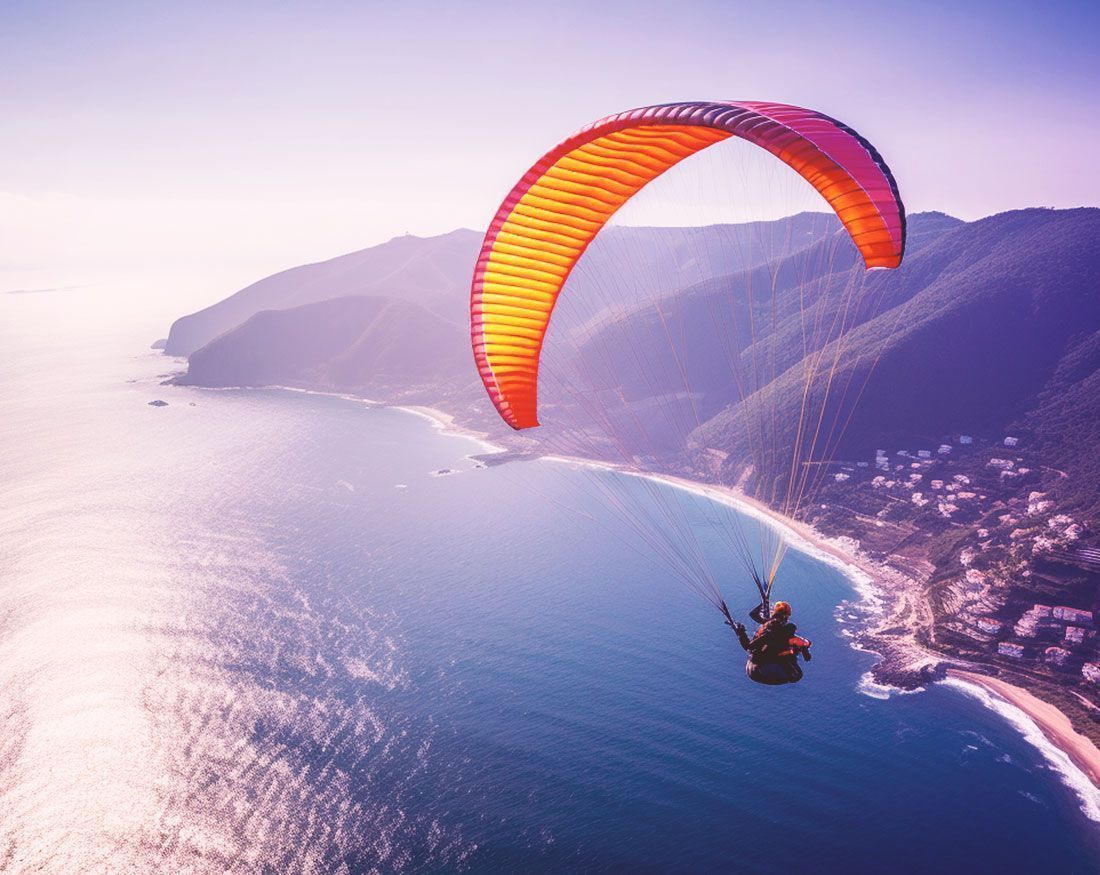
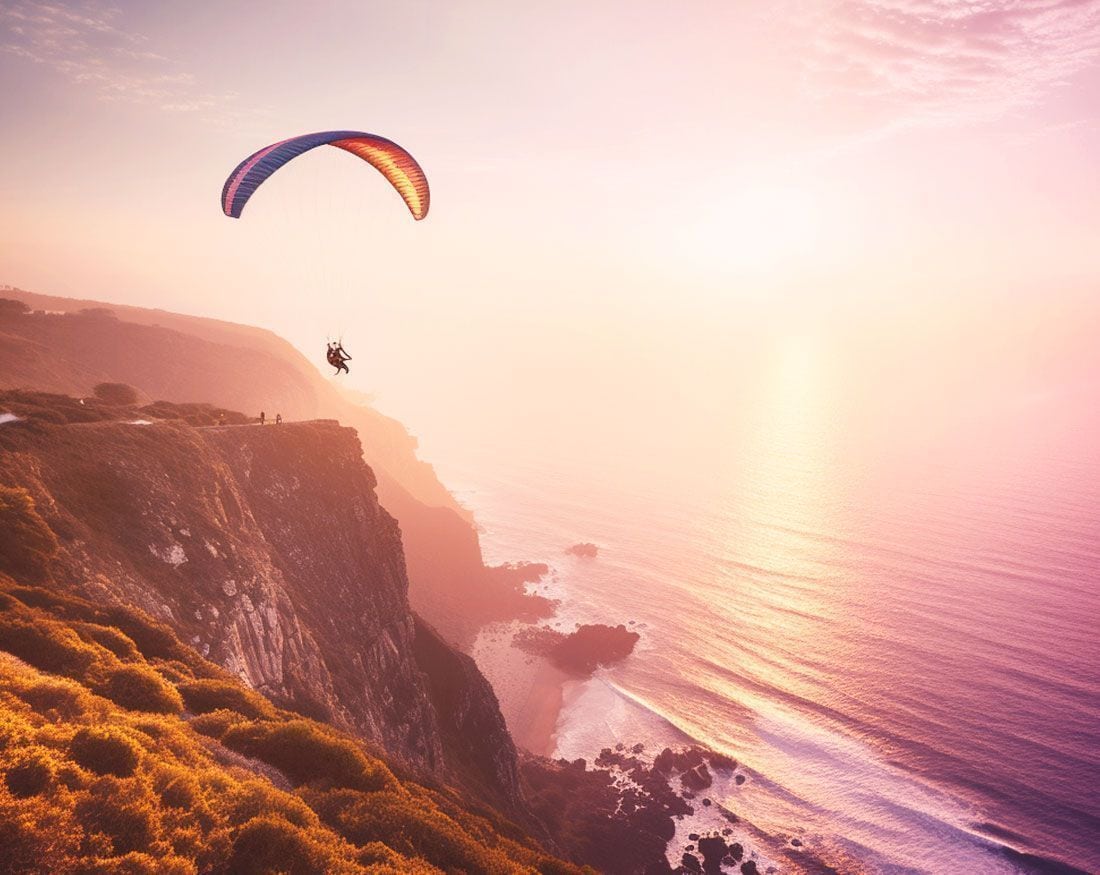
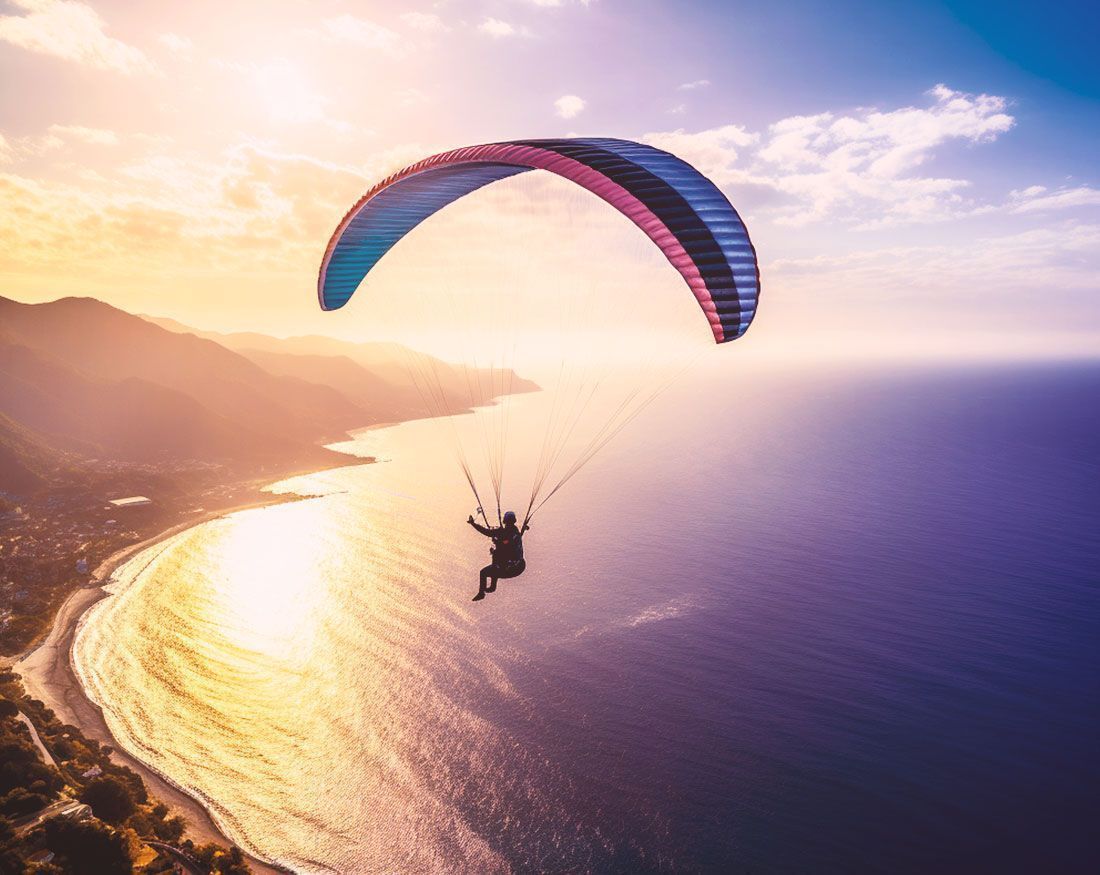
Paragliding can be practised in various locations, provided that certain safety conditions are met and local regulations are respected. Some of the common paragliding locations include: Mountains and Hills: Many paragliders choose to launch from natural elevations, such as mountains or hills. These sites provide...

Paragliding, as a recreational and sporting activity, has its roots in the work of several pioneers. However, one of the most prominent names associated with the early development of paragliding is the Frenchman Jean-Claude Bétemps. In 1965, Bétemps, together with his friend André Bohn, built and...

Why is it called paragliding? The word comes from the combination of two terms with very different origins. Para: from the Greek This prefix comes from the Greek "para," meaning "beside" or "alongside." In the context of the sport, it refers to the wing-shaped configuration of the...

Paragliding safety depends on several factors, including pilot skills, weather conditions, equipment used and adherence to safety rules and procedures. When practised properly and responsibly, paragliding can be a fairly safe activity, but like any adventure sport, there are always inherent risks. Some aspects that contribute...

Why do paragliders fly is a question many people ask before their first flight. The answer lies in the aerodynamics of its design and its interaction with air currents. Here's a basic explanation of why paragliders can lift off and stay in the air. Wing design:...

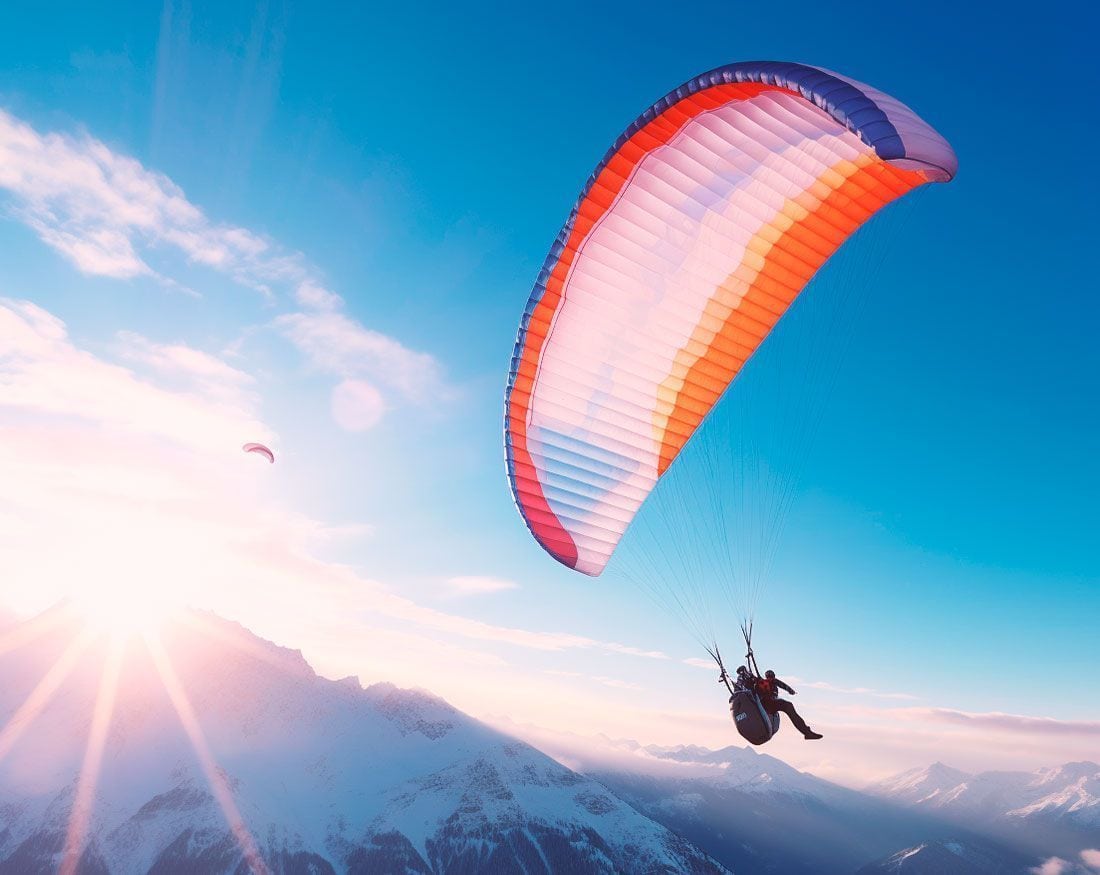
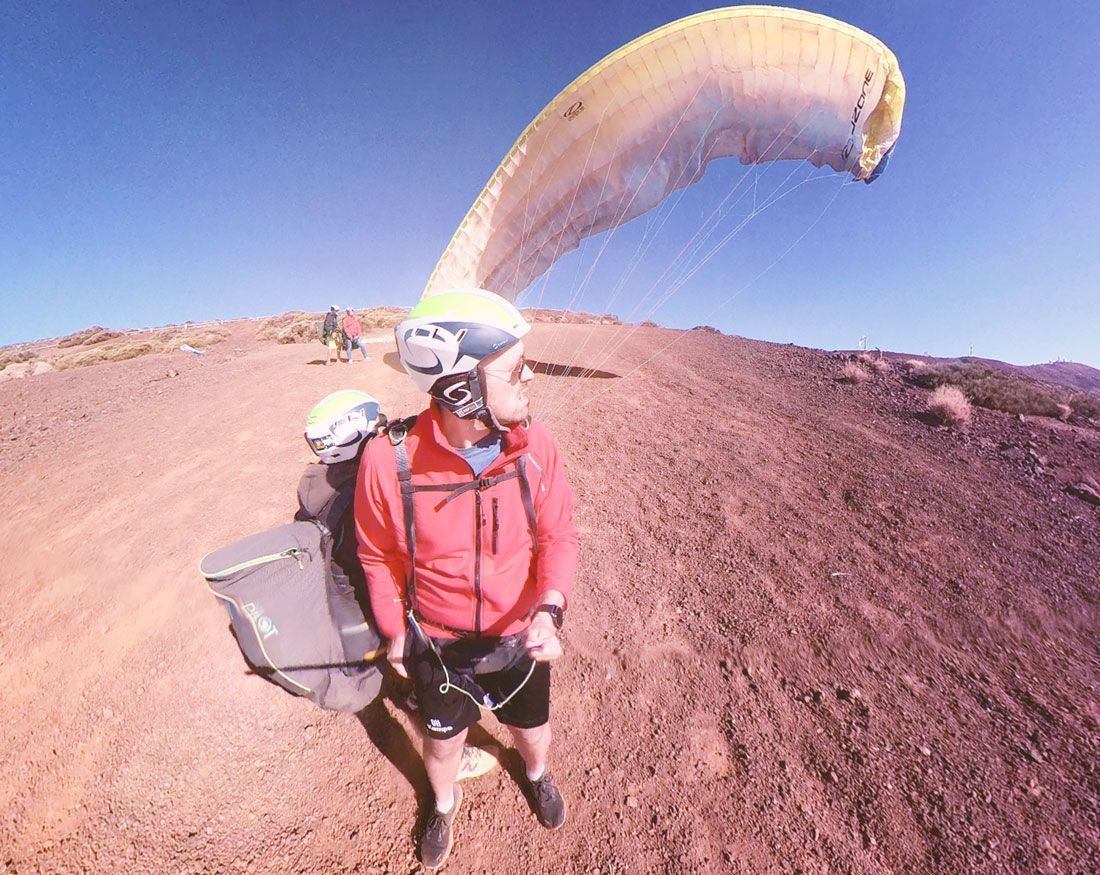
The sensation of paragliding is unique and exciting. On take-off, the pilot is on the ground with the glider extended above him. With the wind filling the sail, the pilot starts to run forward, downhill. As the speed increases and the glider is fully inflated,...

The speed of a glider can vary according to various factors, such as weather conditions, specific glider design, load, pilot skill, etc. Under normal conditions, during a recreational flight, the speed of a paraglider usually ranges between 20 km/h and 45 km/h. It is important to note...

How much wind is necessary for paragliding? The answer depends on the pilot's experience and the specific paraglider design, but there are some general guidelines every flyer should know. Take-off: For take-off, a light and steady wind is preferred, generally in the range of 5 to...

How high does a paraglider fly? The altitude a paraglider can reach depends on several factors, such as weather conditions, the skill of the pilot, the geographical area you are in, and the type of flight you are doing. During a typical recreational flight, a paraglider...

Paragliding is an exciting outdoor activity that allows people to experience the sensation of flying like a bird. However, like any extreme sport, safety is of utmost importance. In this article, we'll explore everything you need to know about paragliding safety. From essential equipment to...

Paragliding is an activity that has captivated adventurers and adrenaline lovers all over the world. What exactly is paragliding? This aerial sport allows you to experience the sensation of flying without the need for noisy engines. In this article you will dive into the exciting...

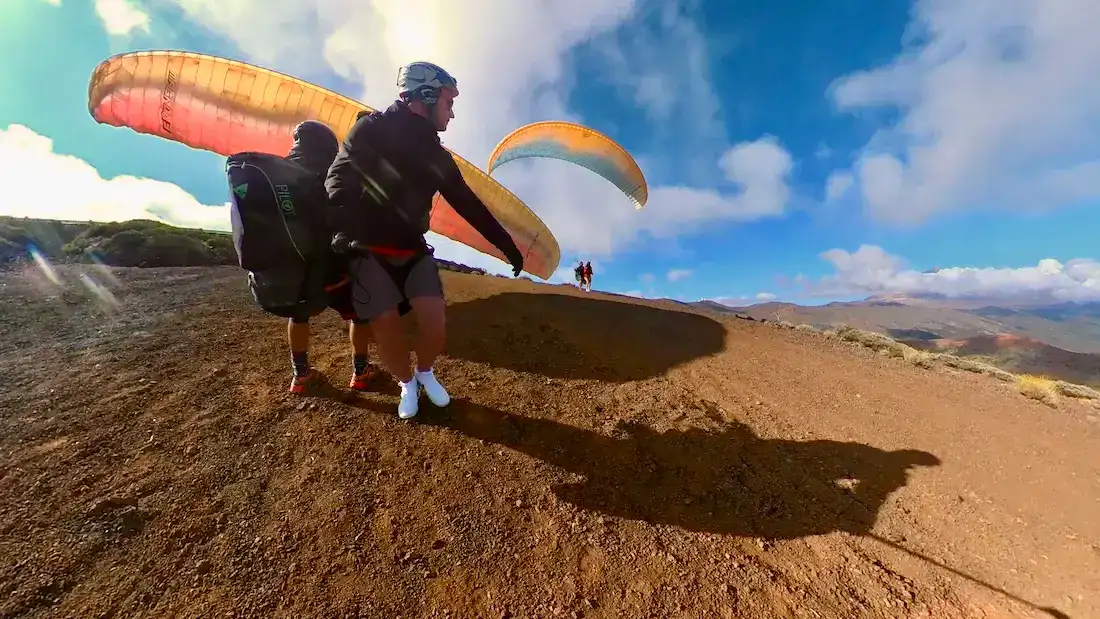
Before embarking on the fascinating adventure of flying, every paragliding flight requires some previous steps and procedures that guarantee that the experience will be as we have planned it, safe and satisfactory. These steps begin the day before the flight with the study of the...