Contacto

Puedes ponerte en contacto con nosotros enviandonos un correo electrónico a través del siguiente formulario o en el teléfono: + 34 606 977 920

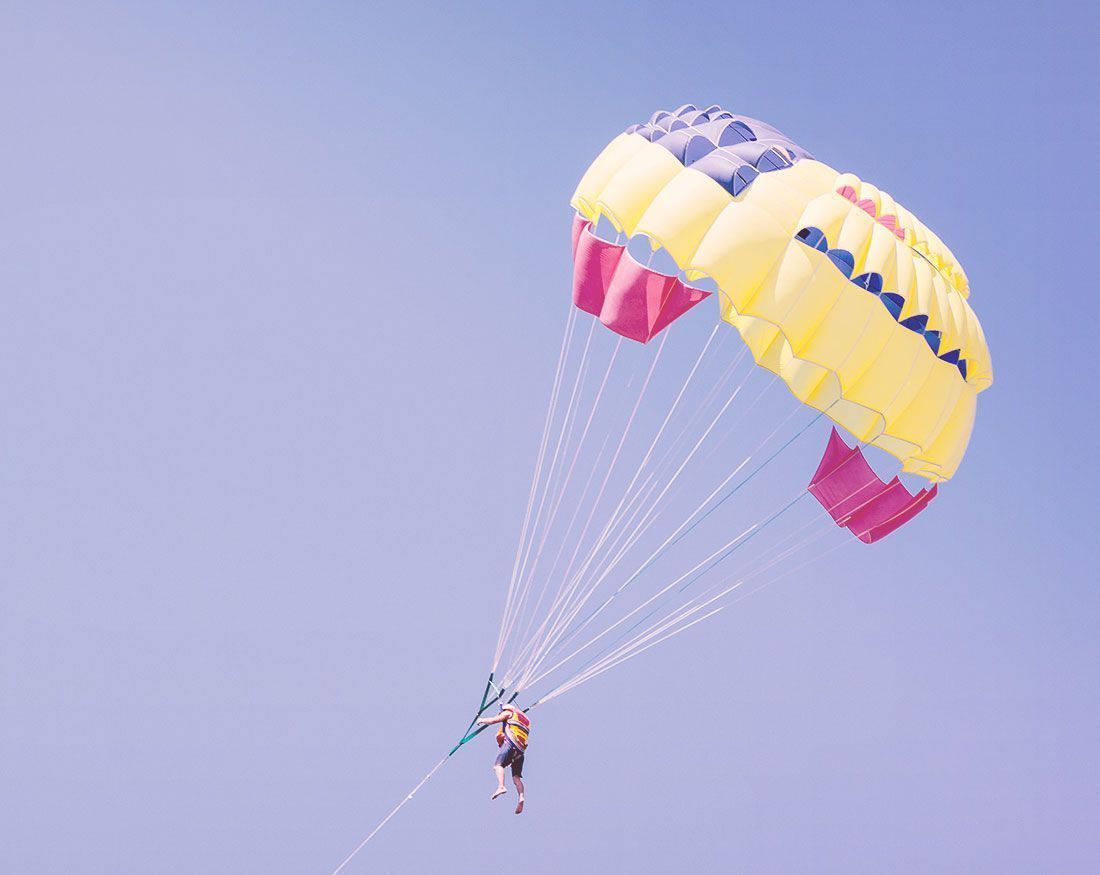
What is Parasailing? Parasailing, also known as parascending or parakiting, is a recreational water sport in which a person is towed behind a boat while attached to a special parachute. As the speedboat accelerates, the parachute rises, taking the passenger with it to heights ranging from...

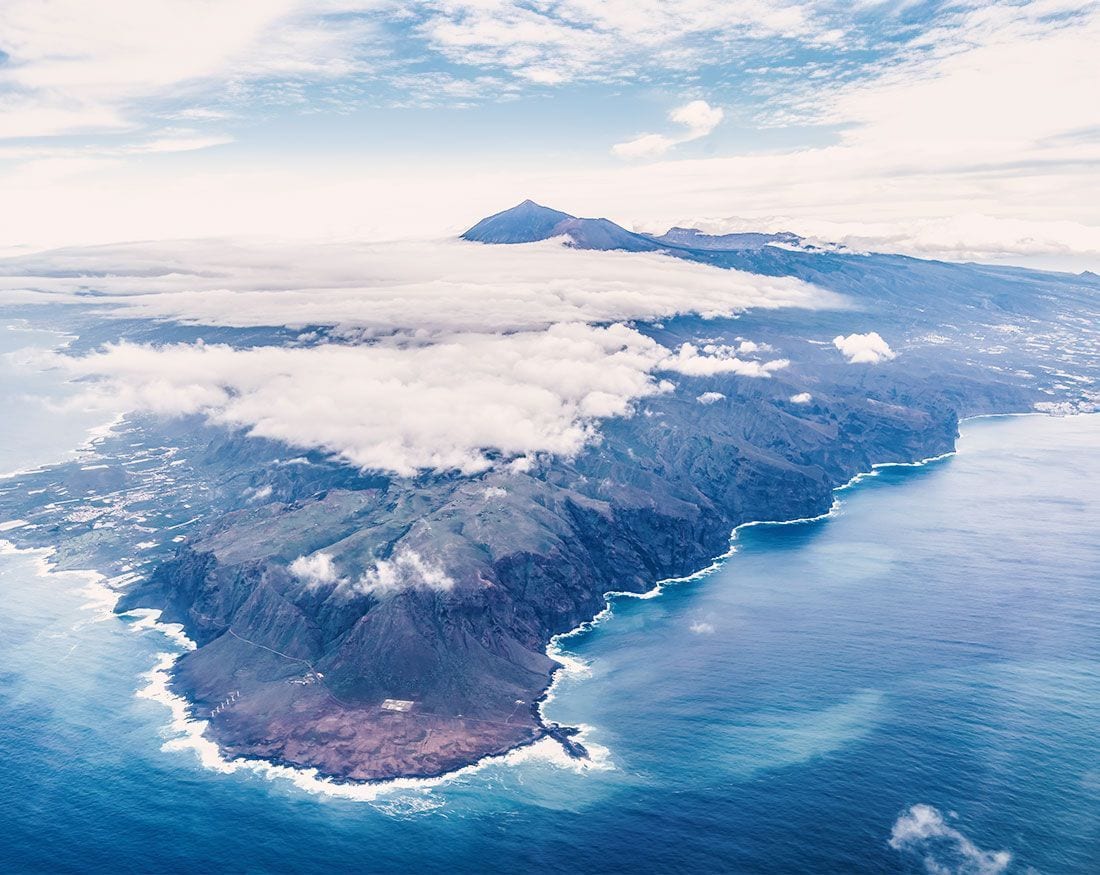
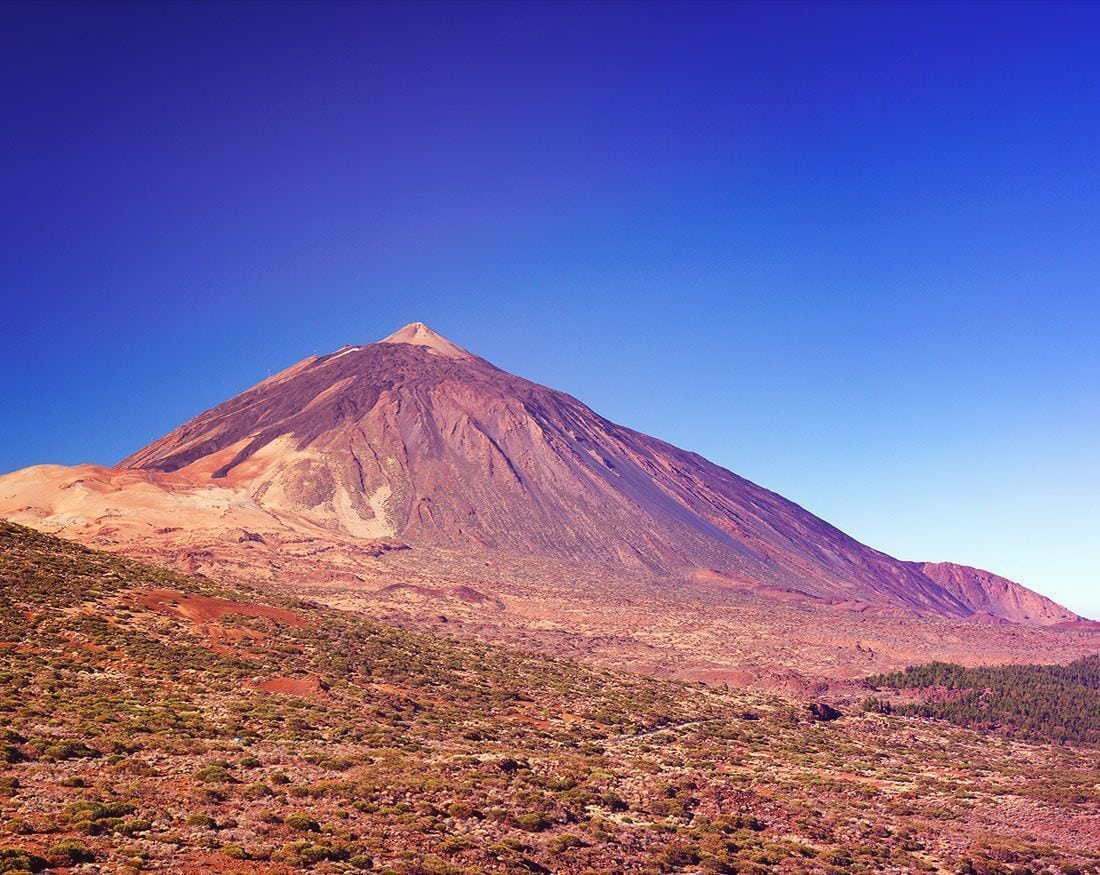
Tenerife is known for its impressive diversity of landscapes. From golden beaches or black volcanic sand and steep cliffs to green valleys and majestic mountains and volcanoes. The island offers a unique visual spectacle. However, there is an even more spectacular way to appreciate...

Tenerife, the largest of the Canary Islands, is a tourist destination that offers a wide variety of activities for all tastes. From paradisiacal beaches, volcanoes, incredible natural spaces where you can enjoy adventure activities and cultural experiences, Tenerife has it all. Here are some of...

The weight capacity that a glider can withstand depends on the specific type and size of the glider, but as a general rule the maximum weight should not exceed 240 kg. Paragliders come in various categories, sizes and ratings according to the maximum load they...

The duration of a paragliding flight can vary considerably depending on a number of factors, such as weather conditions, pilot skill and the type of flight being undertaken. In general, typical recreational flights can last from 15 minutes to several hours. One of the main...

Paragliding can be practised in various locations, provided that certain safety conditions are met and local regulations are respected. Some of the common paragliding locations include: Mountains and Hills: Many paragliders choose to launch from natural elevations, such as mountains or hills. These sites provide...

Paragliding, as a recreational and sporting activity, has its roots in the work of several pioneers. However, one of the most prominent names associated with the early development of paragliding is the Frenchman Jean-Claude Bétemps. In 1965, Bétemps, together with his friend André Bohn, built and...

Why is it called paragliding? The word comes from the combination of two terms with very different origins. Para: from the Greek This prefix comes from the Greek "para," meaning "beside" or "alongside." In the context of the sport, it refers to the wing-shaped configuration of the...

If you have made it this far, it is because you fancy flying but something is holding you back. It is the most repeated doubt among the people who write to us before booking, and it deserves an honest answer, with no sugar-coating. Let us go...

Why do paragliders fly is a question many people ask before their first flight. The answer lies in the aerodynamics of its design and its interaction with air currents. Here's a basic explanation of why paragliders can lift off and stay in the air. Wing design:...

It is the question almost everyone asks us before flying, and the short answer is that it feels far less frightening than you imagine, and far calmer than you expect. The long answer is this article, written from what our passengers tell us after landing on...

The speed of a glider can vary according to various factors, such as weather conditions, specific glider design, load, pilot skill, etc. Under normal conditions, during a recreational flight, the speed of a paraglider usually ranges between 20 km/h and 45 km/h. It is important to note...