


17 Sep Paragliding as a therapy
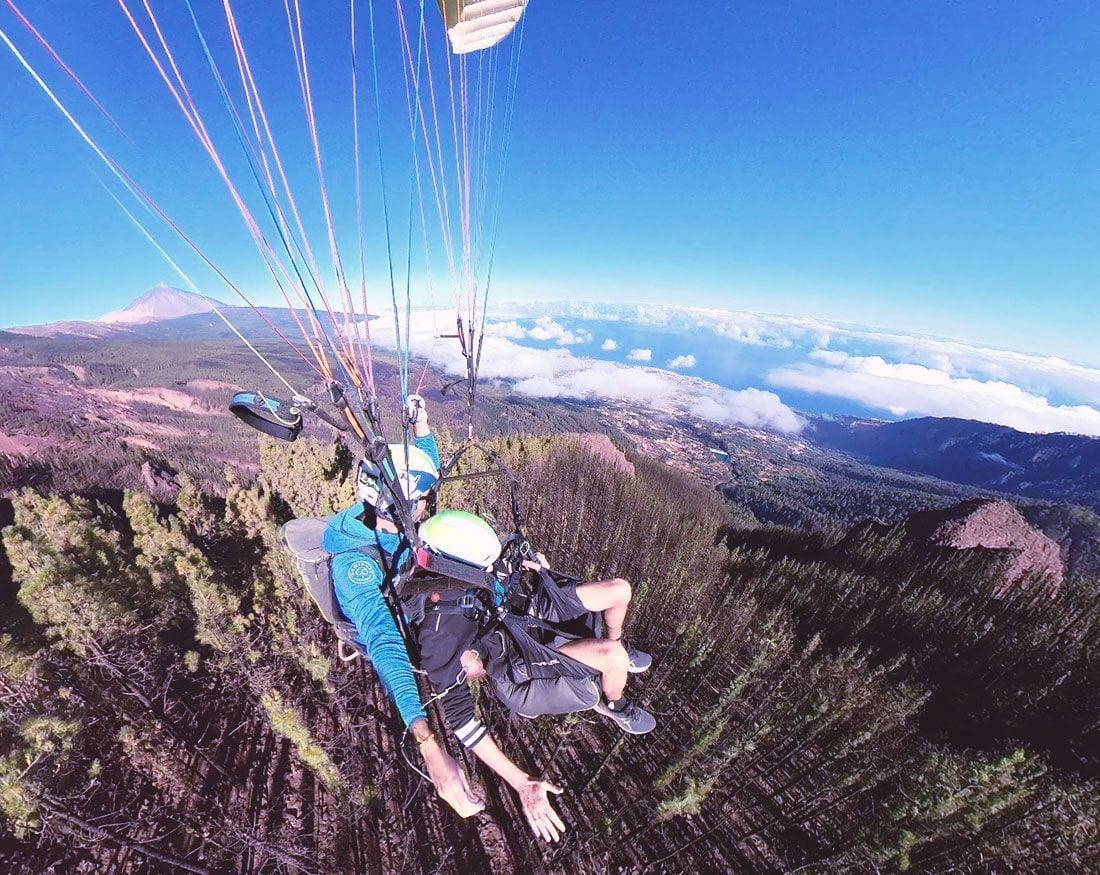
Paragliding is not only an exciting and challenging sport, but has also gained recognition as a form of alternative therapy. Paragliding can have a significant positive impact on people’s mental and emotional health. The following explores the reasons why paragliding can be considered an effective therapy, its benefits and some testimonials from people who have experienced improvements in their wellbeing through this activity.
Therapeutic Benefits of Paragliding
Reducing Stress and Anxiety
- Endorphin release: The excitement and adrenaline of flying releases endorphins, the happy hormones, which help reduce stress and anxiety.
- Disconnection from everyday life: Being in the air offers a total disconnection from the everyday environment, providing a mental escape that can relieve accumulated tensions.
Improving Mental Health
- Increased confidence: Overcoming fear and learning to fly increases self-confidence and self-esteem.
- Sense of achievement: Completing a successful flight generates a deep sense of achievement and personal satisfaction.
Connecting with Nature
- Natural environment: Flying over natural landscapes helps people to reconnect with the environment, which can be very comforting and therapeutic.
- Feeling of freedom: The experience of free flight provides a unique sense of freedom, which can be very liberating for those who feel trapped in their daily lives.
Studies and Testimonials
Case Studies
- Psychology research: Several studies have shown that outdoor activities, including paragliding, have positive effects on mental health. A study in the journal Environmental Psychology found that outdoor activities can reduce symptoms of depression and anxiety.
- Adventure therapy: Adventure therapy programmes that include activities such as paragliding have shown significant improvements in participants’ self-esteem and resilience.
Testimonials
- Personal experience: Many paragliding pilots have shared how paragliding has helped them overcome stress and depression. For example, Juan, an experienced pilot, says: ‘Paragliding has given me a new perspective on life. Every flight is an opportunity to let go of stress and focus on the present moment.
- Therapeutic programmes: Some therapists have incorporated paragliding into their treatment programmes, observing remarkable improvements in their patients. Maria, a therapist specialising in adventure therapy, comments: ‘Paragliding not only provides a dose of adrenaline, but also helps patients to face and overcome their fears.
How to get started in Therapeutic Paragliding
Professional Search
- Qualified instructors: It is crucial to start with certified instructors who have experience in paragliding and knowledge of its therapeutic benefits.
- Specialised programmes: There are programmes and retreats that combine paragliding with psychological therapies and wellness activities.
Mental and Physical Preparation
- Medical evaluation: Consult a physician before starting any intense physical activity, especially if you have any pre-existing medical conditions.
- Mental preparedness: Being open to new experiences and willing to face and overcome personal fears and challenges.
Paragliding can be much more than a sport; it can be a powerful tool for improving mental and emotional health. The combination of the adrenaline rush of flight, the connection with nature and overcoming personal fears makes paragliding a unique and effective form of therapy. Whether it is to reduce stress, improve self-confidence or simply to find an escape from the daily grind, paragliding offers therapeutic benefits that can transform lives.